Discover the Future of Agriculture
BioResource:
Time For A Brown Revolution
Soil is not a resource—it is our legacy. Protect it, and prosperity will follow.
A Manifesto for Soil and Survival
Today, the world is at a pivotal moment. For millennia, soil has been humanity's silent ally—nurturing seeds, sustaining civilizations, and anchoring the rhythm of life itself. Yet in the haste of industrial progress, this foundation has been wounded. Erosion carves away fertility, chemicals strip the earth of balance, and the organic heartbeat of soil is fading into silence.
But every crisis carries the seed of renewal. Rising from this ecological emergency is the Brown Revolution—a bold movement to restore life to the land. It is not merely about agriculture but about survival, justice, and the pursuit of hope. By healing the soil, we heal our food systems, our communities, and ultimately, ourselves.
The Brown Revolution is a call to action—an invitation to farmers, scientists, leaders, and citizens alike to join in rebuilding the very ground beneath our feet. For in the soil lies not just the memory of the past, but the promise of a sustainable future.
The Concept of the Brown Revolution
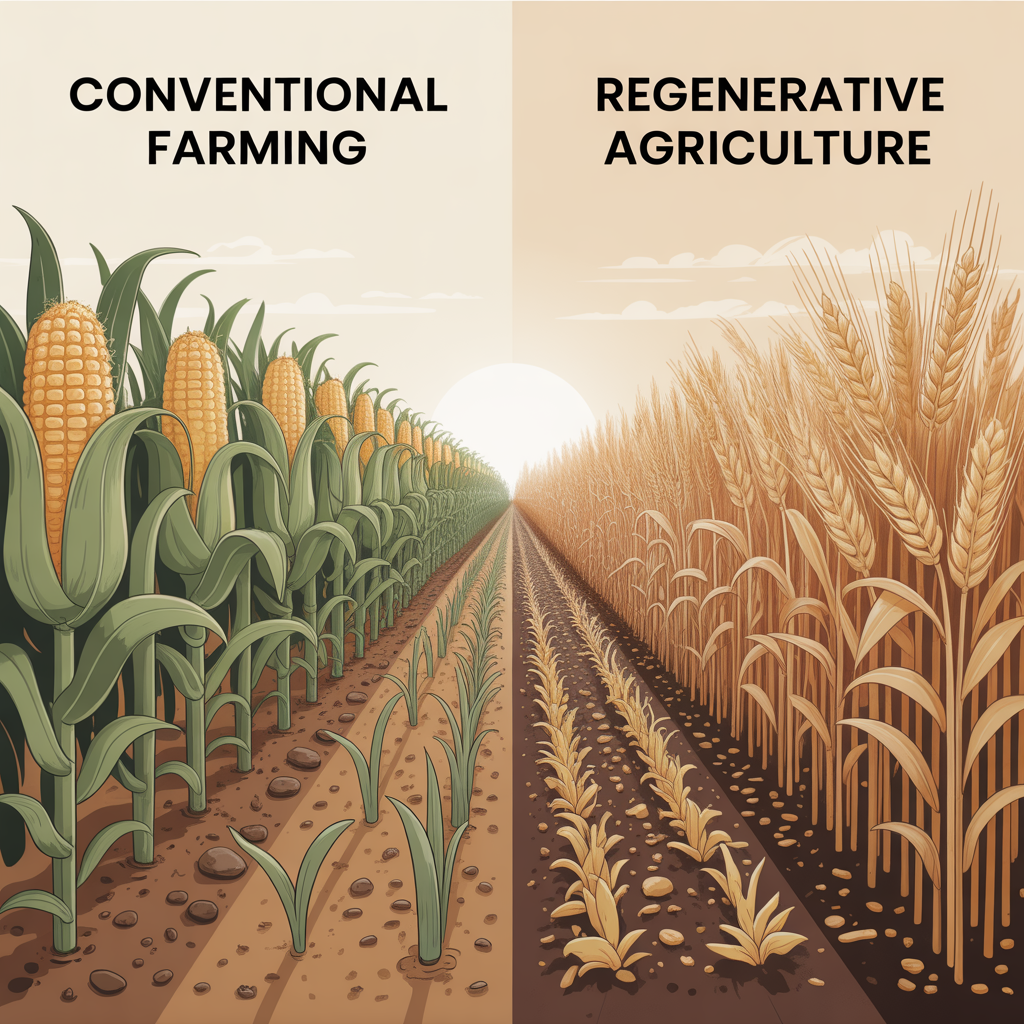
The Brown Revolution advocates for regenerative agriculture—a paradigm shift from extractive methods to those that heal, protect, and enrich the soil. Where previous agricultural revolutions, such as the Green Revolution, focused on maximizing yields through high-yielding varieties and chemical inputs, the Brown Revolution seeks to harness nature's wisdom, prioritizing the vitality of the earth itself.
It recognizes that healthy soil is the bedrock not only of crop productivity but also of ecosystem resilience, climate stability, and human well-being.
Why Soil Health Matters
Soil, often overlooked, is a complex living system teeming with microorganisms, fungi, and invertebrates, each playing a role in cycling nutrients, retaining water, and supporting plant growth. When soil is alive and thriving, it provides a range of ecosystem services:
Carbon Sequestration
Healthy soils absorb and store atmospheric carbon, helping mitigate climate change.
Biodiversity
Diverse soil communities foster robust plant growth and resistance to pests and diseases.
Water Retention
Soils rich in organic matter hold moisture, reducing the risk of droughts and floods.
Food Security
Productive soils sustain harvests and support rural livelihoods.
Yet, decades of intensive tillage, monoculture, and overuse of synthetic fertilizers and pesticides have degraded these vital functions. The Brown Revolution envisions holistic solutions that restore the soil's life-giving properties and ensure its fertility for generations to come.
The House of Brown Revolution
Yet, decades of intensive tillage, monoculture, and overuse of synthetic fertilizers and pesticides have degraded these vital functions. The Brown Revolution envisions holistic solutions that restore the soil's life-giving properties and ensure its fertility for generations to come.
Four Pillars of Brown Revolution:
Four Pillars of Brown Revolution
Regenerative Agriculture
At the heart of the movement lies regenerative agriculture, which seeks to repair and enhance soil health rather than merely sustain it. Techniques such as cover cropping, crop rotation, agroforestry, and minimal tillage are central to this approach. By mimicking natural processes, these methods rebuild soil structure, increase organic matter, and stimulate biological activity.
Integrated Pest and Nutrient Management
Rather than relying on chemical inputs that can harm soil life, the Brown Revolution promotes ecological approaches to managing pests and nutrients. Biological controls, polycultures, and judicious use of natural amendments foster balanced ecosystems where plants, insects, and microbes coexist harmoniously.
Organic Matter Restoration
Organic matter—compost, manure, plant residues—is the lifeblood of healthy soil. The Brown Revolution advocates the widespread use of organic amendments, turning waste into a resource and closing nutrient cycles. These practices not only improve soil fertility but also encourage the proliferation of beneficial microbes.
Biodiversity Enhancement
Monoculture diminishes soil health by limiting the range of organisms that can thrive. The Brown Revolution champions intercropping, agroecological design, and habitat restoration to boost biodiversity both above and below ground, making soils more resilient to stress and disturbance.
The Roof: Community Engagement
Farmer Empowerment and Community Engagement
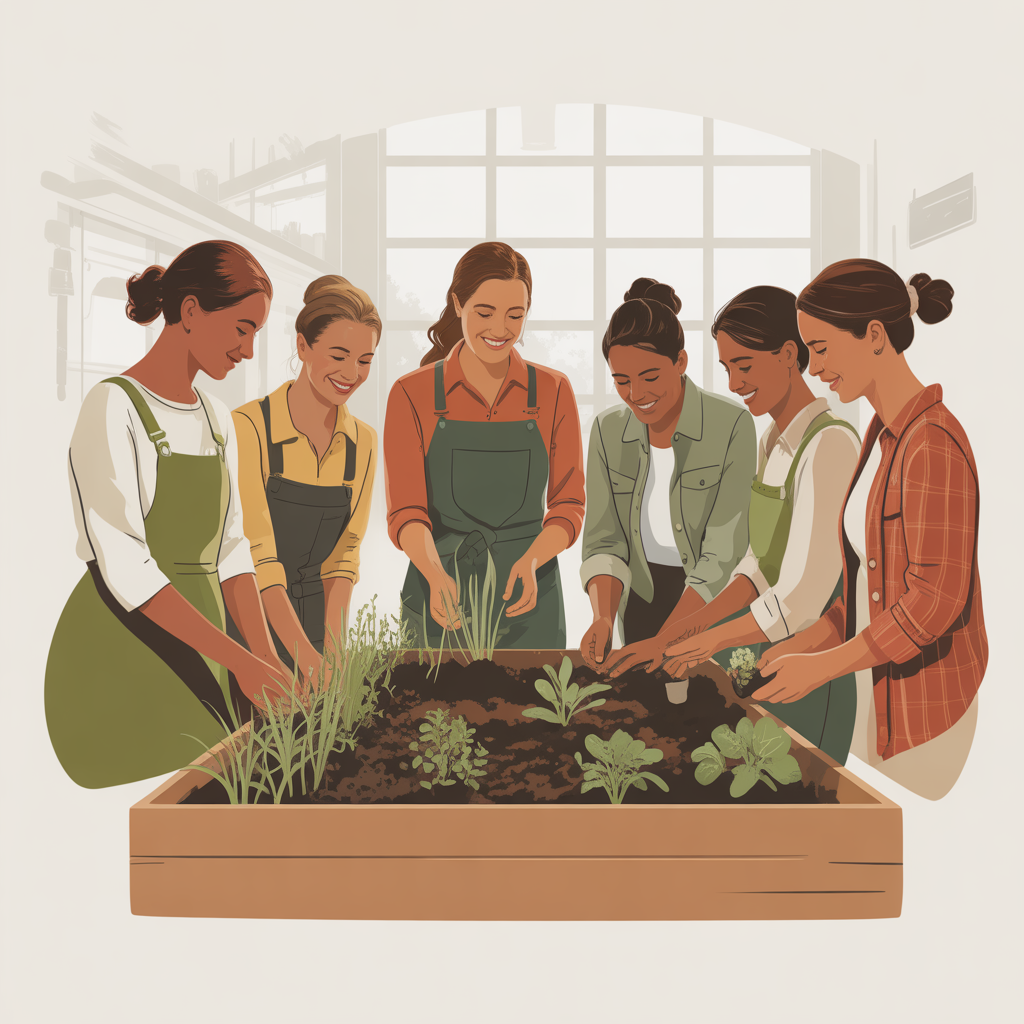
True transformation begins at the grassroots. The Brown Revolution invests in farmer education, participatory research, and local innovation, cultivating a culture of stewardship and shared knowledge.
It recognizes that smallholders, indigenous communities, and women farmers are custodians of traditional wisdom and vital agents of change.