BioResolution:
Not a Return to the Past, but a Leap into the Future
Modern science and technology play a pivotal role in monitoring, managing, and restoring soil health:
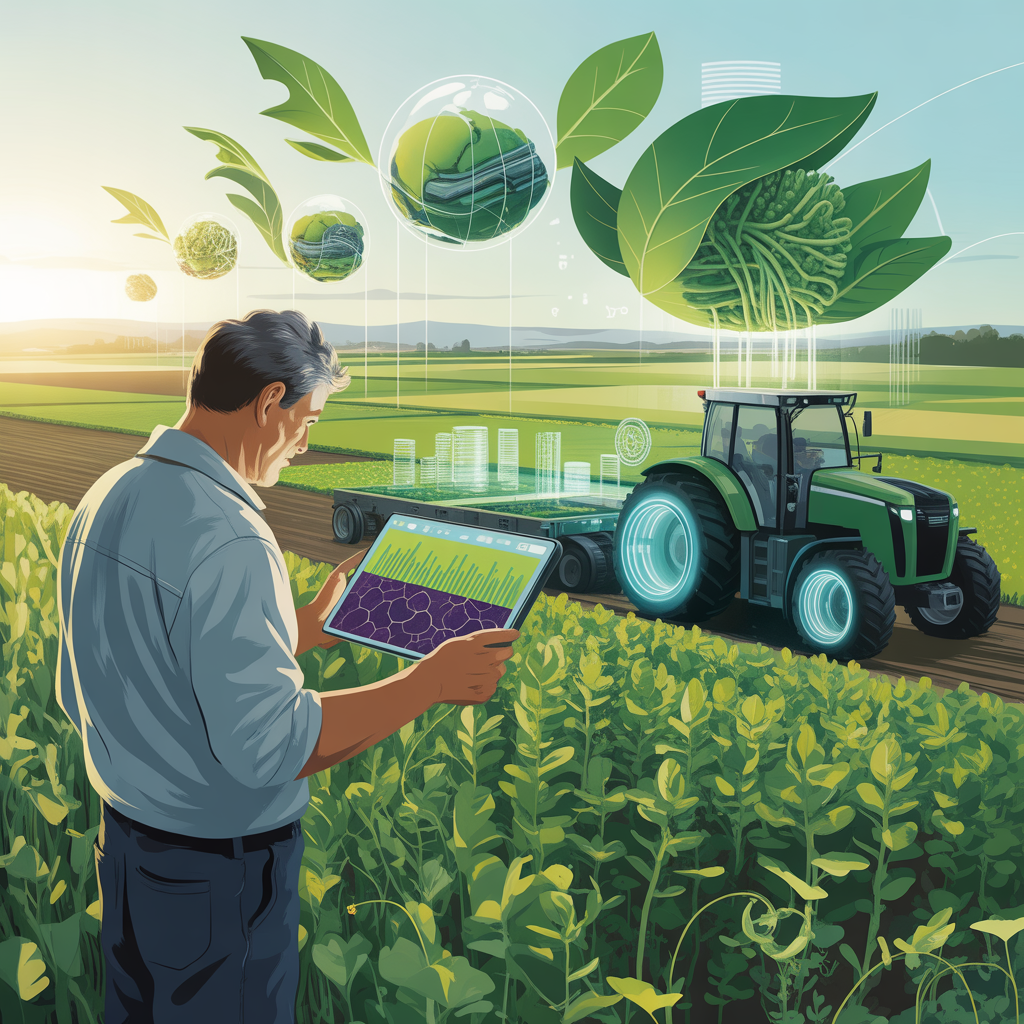
Soil Testing and Mapping
Advanced diagnostics enable farmers to understand their soil conditions and tailor management practices accordingly.
Precision Agriculture
Data-driven tools optimize resource use, reduce waste, and minimize environmental impact.
Microbial Inoculants
Harnessing beneficial microbes, such as mycorrhizal fungi and nitrogen-fixing bacteria, can rejuvenate depleted soils.
Soil Carbon Markets
An emerging mechanism for incentivizing farmers to build soil carbon through financial mechanisms aligns economic and environmental goals.
Technological Innovations
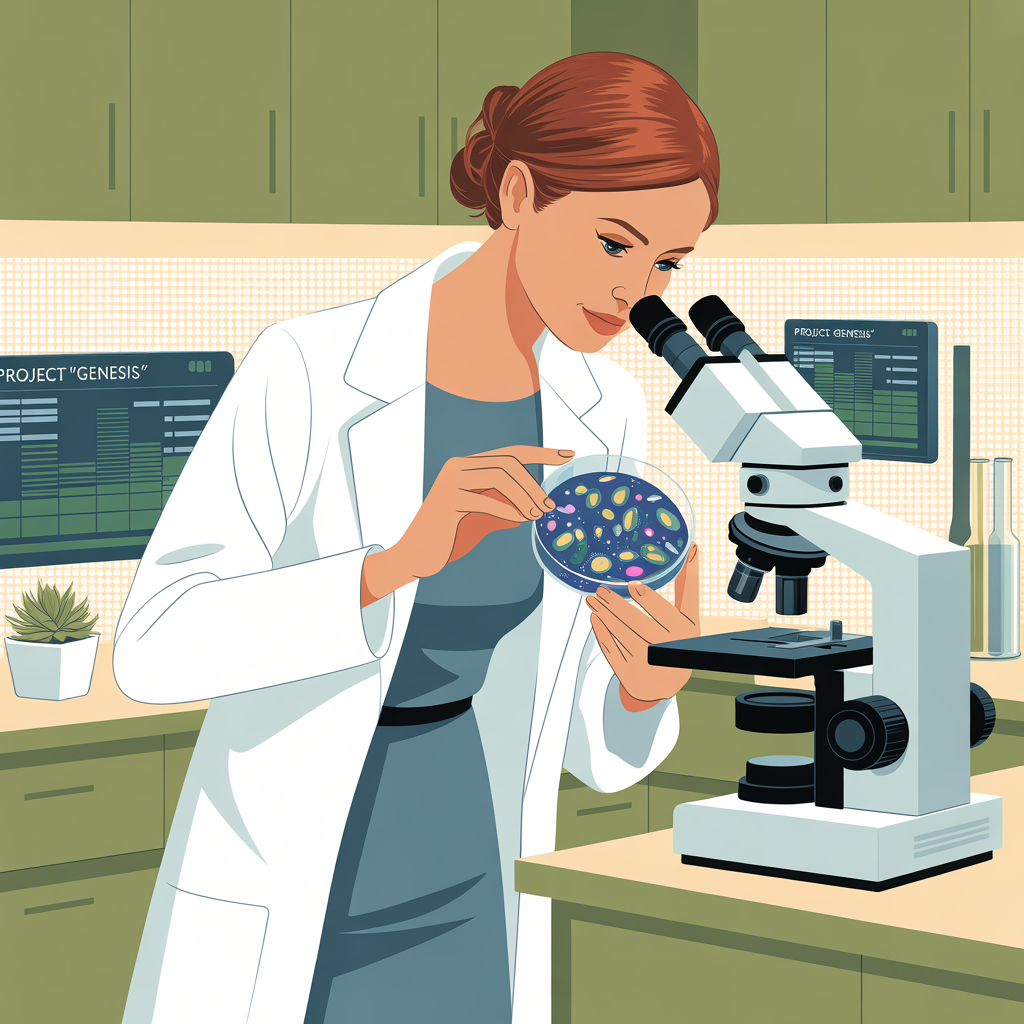
Biotechnology for Soil Health
Advanced molecular techniques allow us to:
- Identify beneficial soil microorganisms
- Develop targeted biofertilizers
- Monitor soil health in real-time
- Create plant varieties that enhance soil quality
Digital Agriculture
Remote Sensing
Satellite and drone imagery to monitor soil conditions across large areas
AI-Powered Analytics
Machine learning algorithms that predict soil health trends and recommend interventions
IoT Sensors
In-field devices that provide real-time data on soil moisture, temperature, and nutrient levels
Mobile Applications
User-friendly tools that give farmers immediate access to soil health information and best practices
Bioresource Utilization
The Brown Revolution emphasizes closing nutrient loops by transforming agricultural waste into valuable soil amendments. Advanced processing techniques can convert:
- Crop residues into biochar and compost
- Animal manure into precision fertilizers
- Food waste into nutrient-rich soil conditioners
- Industrial byproducts into specialized soil amendments
Policy Frameworks
Successful implementation of the Brown Revolution requires supportive policy environments that:
- Reward farmers for building soil carbon and ecosystem services
- Fund research and development in soil health technologies
- Remove barriers to adoption of regenerative practices
- Create markets for products grown using soil-friendly methods

Education and Training
Awareness Building
Public campaigns highlighting the importance of soil health for food security and climate resilience
Academic Integration
Incorporating soil health principles into agricultural education at all levels
Farmer Field Schools
Hands-on training programs where farmers learn and share regenerative techniques
Professional Development
Continuing education for agricultural advisors and extension workers on the latest soil health practices